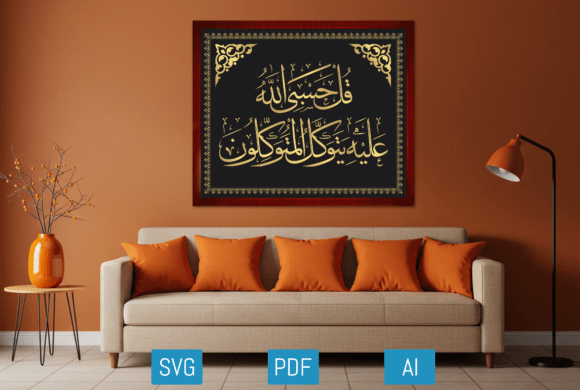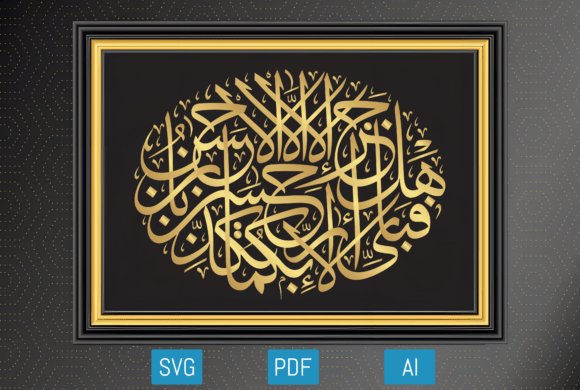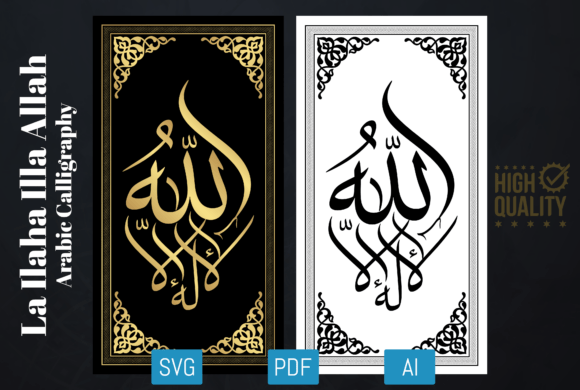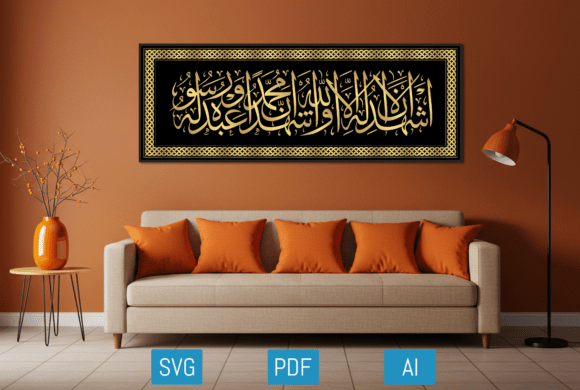
Calligrapgy Arabic Surah Al-Kahf Ayat 46
As a designer with years of experience in embroidery and digital graphics, I’ve come across countless calligraphy designs. Calligrapgy Arabic Surah Al-Kahf Ayat 46 stands out for its elegance and spiritual resonance. This design is more than just text—it’s a visual statement that can elevate any handmade or commercial project.
The First Impression: Aesthetic and Emotional Impact
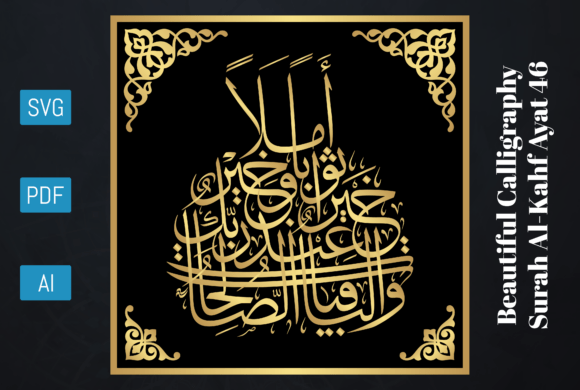
When I first viewed Calligrapgy Arabic Surah Al-Kahf Ayat 46, the Thuluth script immediately caught my eye. The flowing lines and intricate details convey a sense of grace and reverence. It’s not just a design; it’s a piece of art that carries deep meaning. The layout feels balanced, with enough space between letters to maintain readability while still feeling rich and full.
This design would naturally fit into projects that emphasize cultural or religious significance. It has a timeless quality that works well on both traditional and modern items. Whether it’s a custom embroidered tote bag or a personalized baby onesie, the design adds a touch of sophistication and intentionality.
Real-Life Embroidery Use Cases
Testing Calligrapgy Arabic Surah Al-Kahf Ayat 46 on different fabrics and projects gave me a clear idea of how it performs. On a cotton tote bag, the design looked clean and sharp, especially when using a satin stitch. The detail level is high enough to be visually striking but not so dense that it becomes overwhelming.
For custom apparel like sweatshirts or t-shirts, this design works best on light-colored fabrics where the contrast between the embroidery and the background is clear. On dark fabrics, the design may appear less defined unless the thread color is carefully chosen. A white or light gray thread could help bring out the details without clashing.
I also tested it on a baby onesie. The size was appropriate, and the design didn’t feel too large or intimidating for a child’s garment. It added a personal and meaningful touch without being overly complex.
Where to Use with Caution
While Calligrapgy Arabic Surah Al-Kahf Ayat 46 is versatile, there are some situations where it might not perform as well. On small hoop sizes, the design may require resizing or simplification to avoid losing detail. For textured fabrics like denim or canvas, the stitching might not sit as smoothly as on a smooth cotton or polyester blend.
On thin or stretchy fabrics, the design could become distorted if not properly stabilized. Using a good stabilizer is essential to maintain the integrity of the embroidery. Similarly, on curved surfaces like caps or hats, the design might need slight adjustments to ensure it lies flat and doesn’t pucker.
For products that will be washed frequently, such as kitchen towels or aprons, the durability of the embroidery should be considered. A higher stitch count or reinforced edges might be necessary to prevent fraying over time.
Impact on Visual Appeal and Customer Perception
Calligrapgy Arabic Surah Al-Kahf Ayat 46 adds significant value to any product it’s used on. Its beauty and cultural relevance make it highly appealing to customers looking for meaningful, personalized items. When used on handmade products or custom apparel, it can enhance the perceived quality and craftsmanship of the finished item.
From a branding perspective, this design can help reinforce a shop’s identity, especially for businesses that focus on Islamic or cultural themes. It’s a strong visual element that can increase customer trust and encourage repeat purchases.
As a digital product, it’s also valuable for printable mockups or marketing materials. It can be used to showcase how the design would look on various items, helping potential buyers visualize the final product before purchasing.
Practical Designer Notes
Before using Calligrapgy Arabic Surah Al-Kahf Ayat 46 in any project, I recommend testing it on scrap fabric. This allows you to see how the design looks in real life and make any necessary adjustments. Checking thread color contrast is crucial—especially on dark backgrounds where subtle differences can affect visibility.
Reviewing the stitch density is also important. If the design is too dense, it might cause the fabric to pucker or the stitches to become too thick. Confirming the correct hoop size ensures that the design fits comfortably and stitches evenly.
Inspecting small details like corners and lettering is essential. Some areas might need simplification or adjustment to work well in an embroidery machine. Testing the design in black and white mockups can help identify any issues with contrast or clarity.
Finally, always check the licensing terms before selling finished items or digital products. Even though the design appears to be suitable for commercial use, it’s important to confirm that the rights allow for what you plan to do with it.
Conclusion: A Design Worth Considering
Calligrapgy Arabic Surah Al-Kahf Ayat 46 is a thoughtful and beautiful design that can enhance a wide range of embroidery projects. Its elegant script and meaningful message make it a strong choice for handmade shops, Etsy sellers, and creative entrepreneurs looking for unique and culturally relevant designs.
With proper testing and consideration for fabric type, hoop size, and stitch density, this design can become a standout feature in your product line. Whether you’re creating personalized gifts, custom apparel, or boutique merchandise, it has the potential to add both aesthetic and emotional value to your work.